


People
-
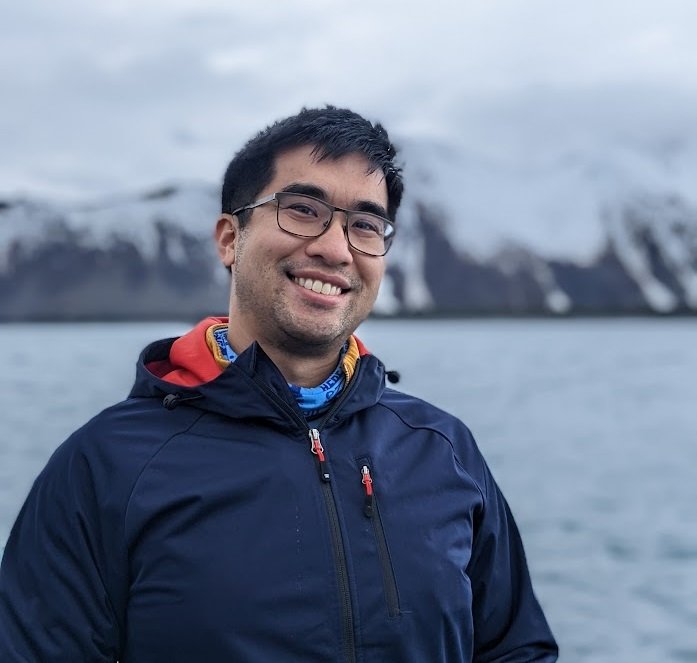
Jon Wang
Assistant Professor
Jon uses time series remote sensing to understand how global environmental change is altering transforming terrestrial ecosystems and carbon cycling in climate-sensitive biomes. He is particularly interested in how wildfires, heat, and drought are driving change in the far north, the semi-arid western US, and urban systems.
[google scholar] [cv]
Email: jon.wang@utah.edu
-

Wanwan Liang
Postdoctoral Researcher
Wanwan is interested in remote sensing applications and geospatial analytics for environment and agriculture with statistical and machine/deep learning approaches to uncover patterns and underlying processes. Wanwan is also interested to predict or simulate future patterns and processes while considering interactions among natural systems and human activities.
Email: u6054045@utah.edu
-

Jiaming Lu
Postdoctoral Researcher
Jiaming's research focuses on monitoring forest ecosystem dynamics using remote sensing and geospatial analysis. In particular, she is interested in developing models and methodologies to map ecosystem composition and structure by leveraging large-scale remote sensing datasets, high-performance computing, and machine learning, contributing to conservation and sustainable land management.
Email: jiaming.lu@utah.edu
-

Eric Bullock
Postdoctoral Researcher
Eric joined DYCE in January 2025. His research combines advanced remote sensing, emerging machine learning and traditional statistical and field methodologies to investigate the drivers and impacts of global environmental change. Eric is particularly interested in understanding the complex interplay between human development and sustainable forest management, a field where many environmental and human-driven dynamics remain poorly understood.
Email: e.bullock@utah.edu
-

Yahampath Marambe
Ph.D. Candidate
Yahampath joined the DYCE lab in the fall of 2023 to extend his research work in ecosystem monitoring and modeling natural cycles. He is interested in utilizing remote sensing imagery and geospatial data science in his research and also enjoys working on topics where water intersects with vegetation in a spatial context.
Email: yahampath.marambe@utah.edu
-
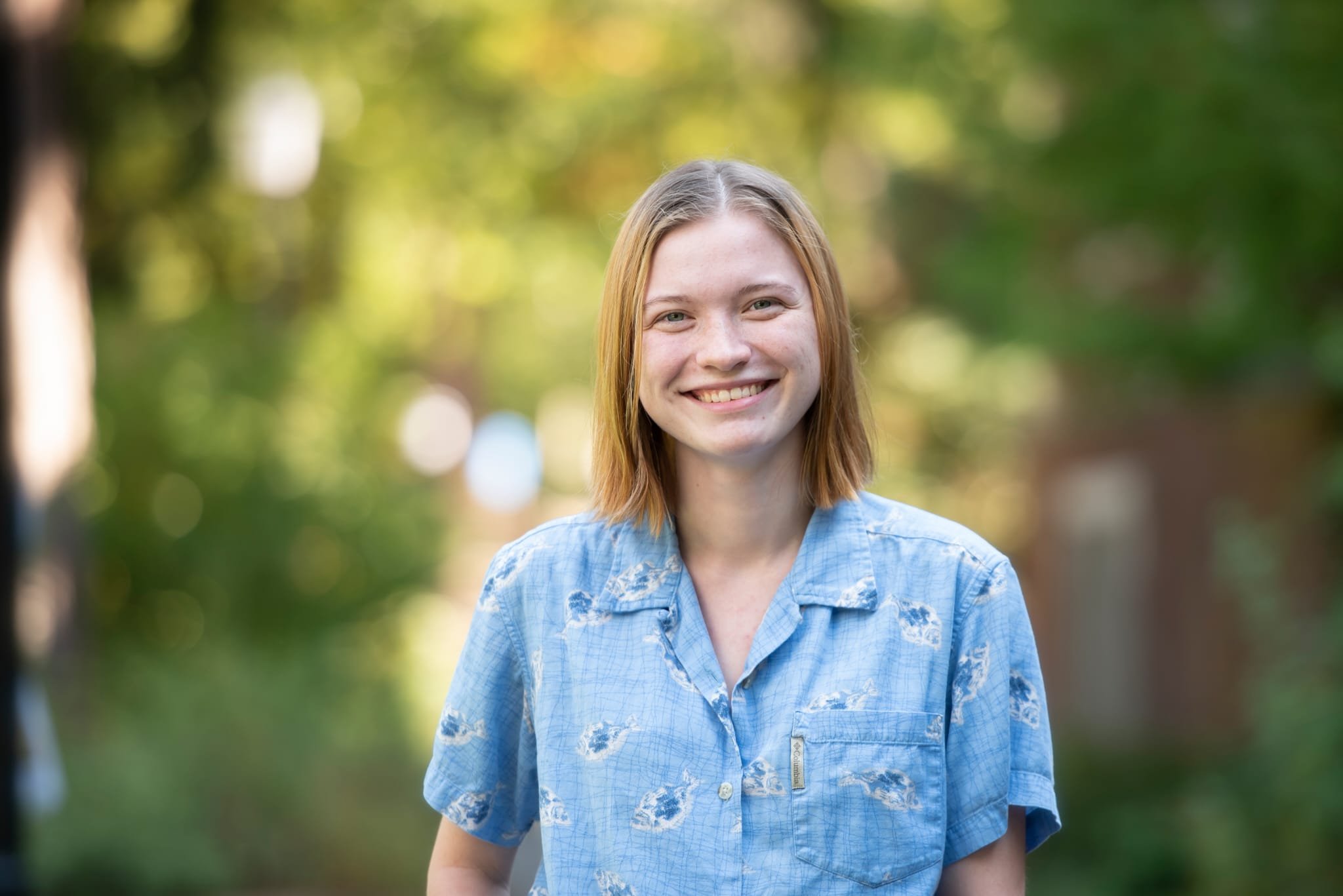
Hannah Meier
Ph.D. Candidate
Hannah’s research interest is to understand how the drying of the Great Salt Lake has changed and will change the timing of the spring algal bloom. She wants to understand whether these changes will have cascading effects on the food web of the lake. Her work will incorporate field, laboratory, modelling, and remote sensing work to understand past environmental changes and build predictive models.
Email: hannah.meier@utah.edu
-
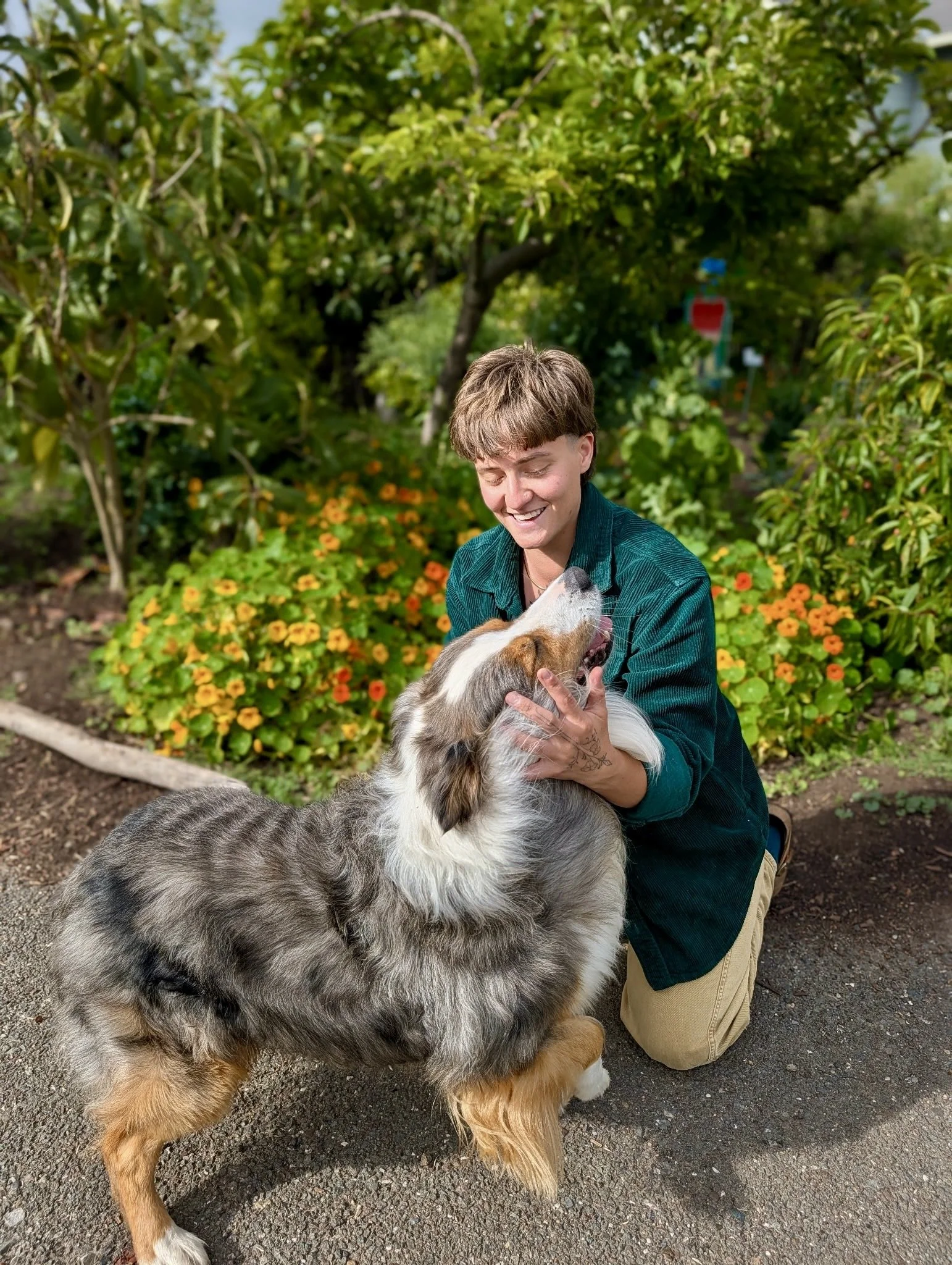
Hope Gale-Hendry
Ph.D. Candidate
Hope is studying wildfire dynamics and post-fire forest recovery across western United States forests, leveraging remote sensing and high-powered computation to investigate how landscape structure, climate, and fire interact to shape forest ecosystem trajectories. Their research is informed by a commitment to equitable and historically grounded approaches to forest stewardship. Outside the lab, Hope can be found studying Zen, playing chess, drinking coffee in the sun, and playing with their dog Björn.
-
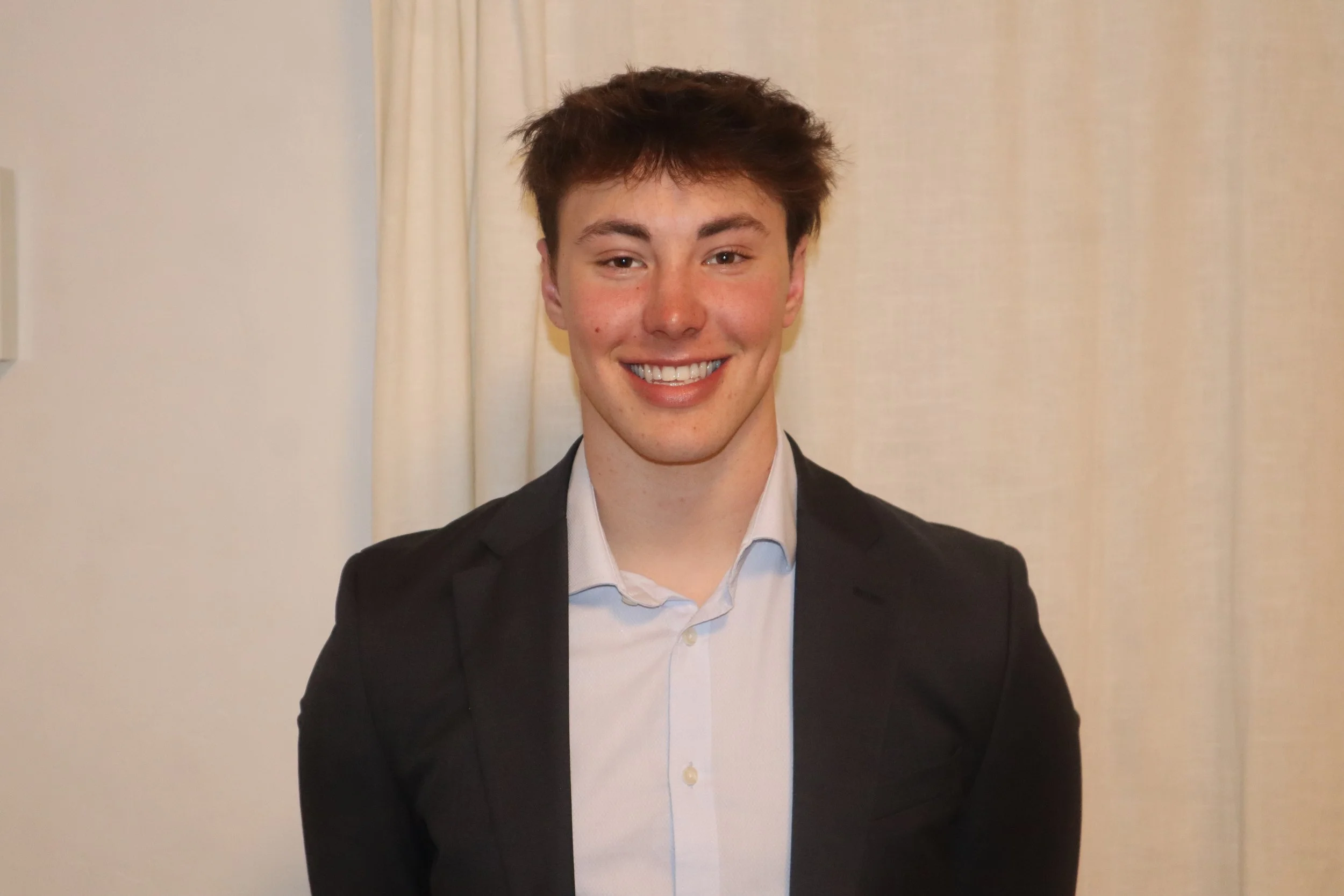
Jimmer Hopkins
Undergraduate Researcher
Jimmer is a junior at the U studying Earth and Environmental Science with an emphasis in climate science. He has a passion for the outdoors and snow. He is also a competitive freeride skier, and in his free time he loves to other outdoors activities like hiking, mountain biking, backpacking, and cliff jumping.
Jimmer joined the lab via the University of Utah Science Research Initiative!
-
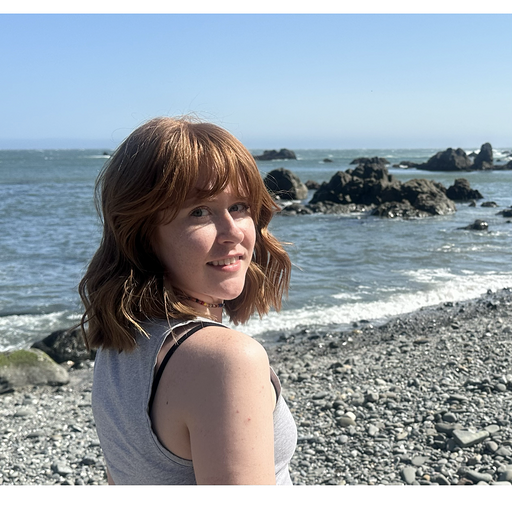
Ember Park
Undergraduate Researcher
Ember joined the lab via the University of Utah Science Research Initiative!
-
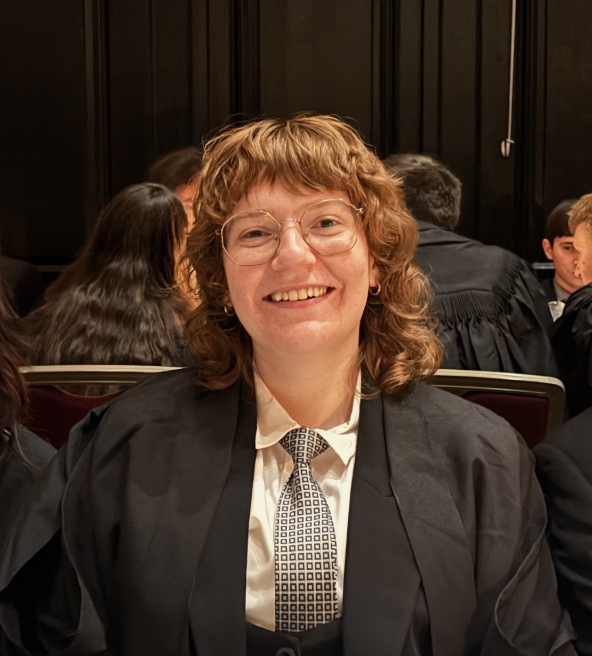
Marlo Wilcox
Ph.D. Student
Marlo joined the DYCE lab in fall 2026 with an interest in the remote sensing of sensitive ecosystems. Particularly, she is interested in change detection and prediction of permafrost and the environments surrounding it using radar and optical remote sensing. Her work will hopefully combine a mix of imagery processing, machine learning, and field work to understand where, when, and why permafrost changes, and how that interfaces with the ecosystems surrounding it.
Lab Alumni
-

Ceci Rigby
Lab Manager
Helped get this lab started! Now a graduate student at Northwestern University!
-

Emilie Parra
Undergraduate Researcher
Emilie joined the lab via the University of Utah Science Research Initiative!
-

Gwyn Pleatman
Undergraduate Researcher
Gwyn joined the lab via the University of Utah Science Research Initiative
-

Tyler Shek
Undergraduate Researcher
Tyler joined the lab via the University of Utah Science Research Initiative!
-
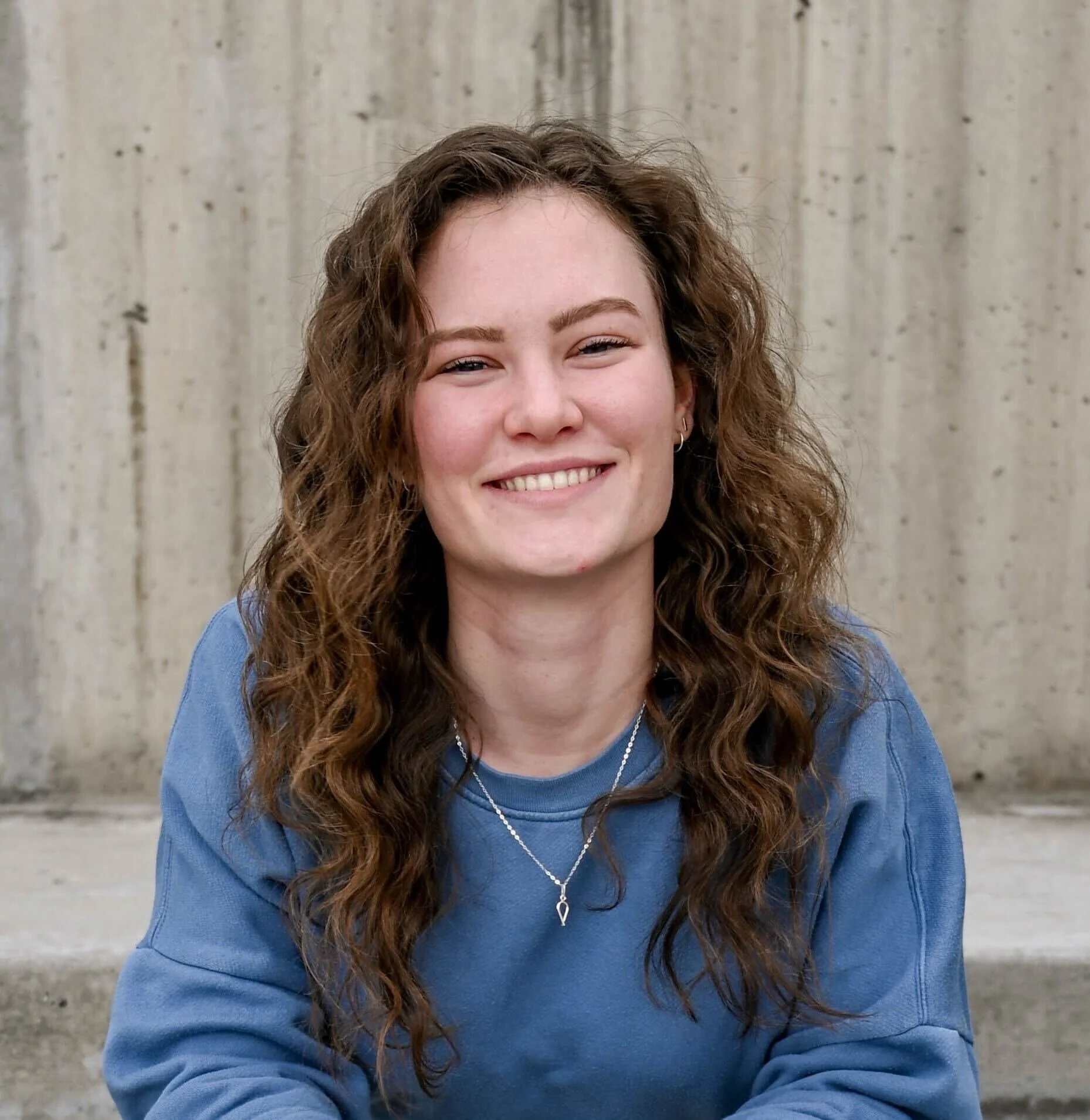
Laura Curtis
Undergraduate Researcher
Laura joined the lab via the University of Utah Science Research Initiative
-
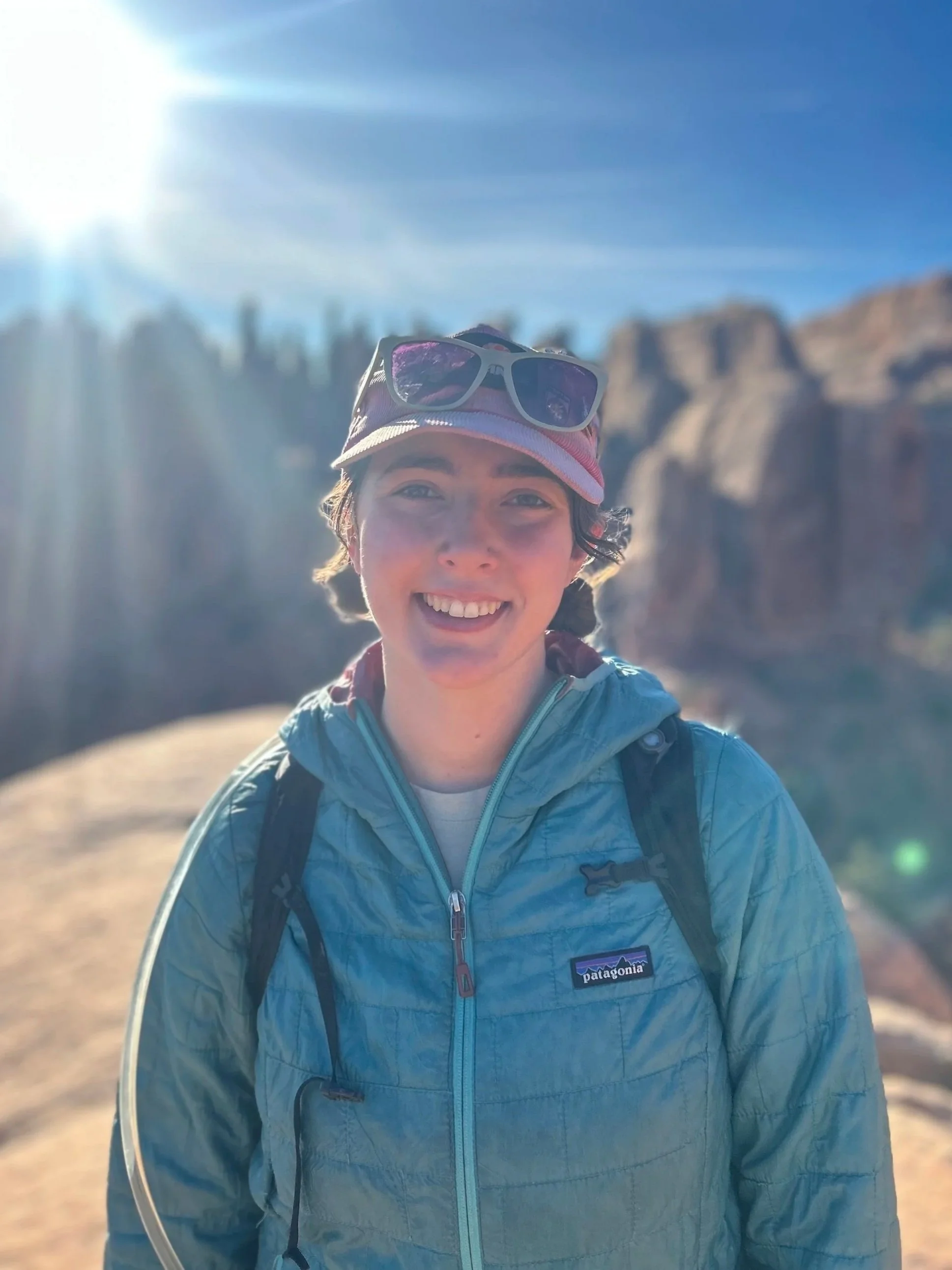
April Radford
Lab Assistant
Kept the SRI operation running smoothly. Now a graduate student at the University of British Columbia!
-

Makayla Patrick
Undergraduate Researcher
Joined the lab via a Wilkes Scholarship to study ecosystem-climate interactions. Now a graduate student at the University of Michigan!
-

Amichi Ameh
Undergraduate Researcher
Amichi joined the lab via the University of Utah Science Research Initiative!
-
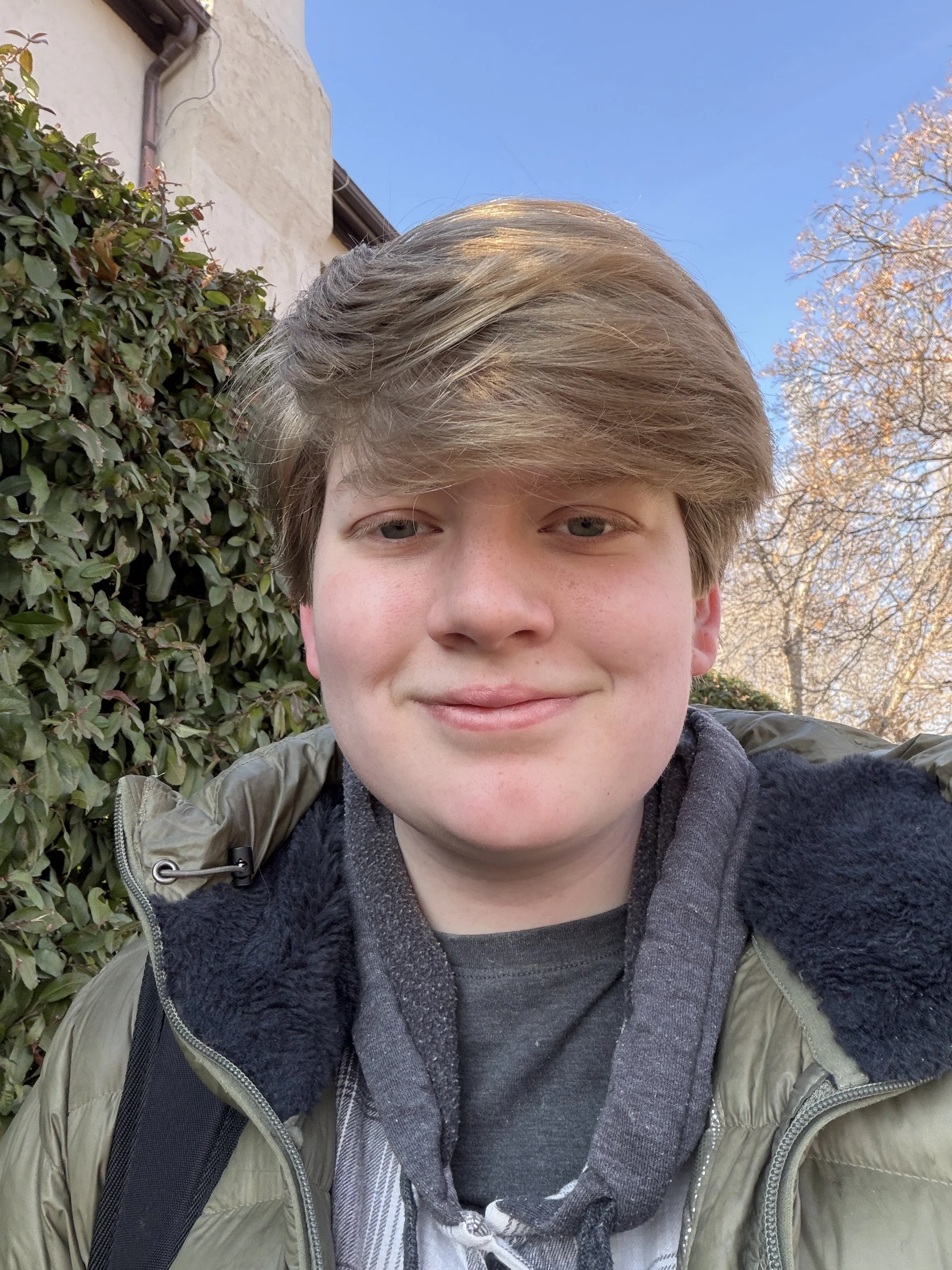
Ethan Bird
Undergraduate Researcher
Ethan joined the lab via the University of Utah Science Research Initiative!
-

Olivia Saenz
Undergraduate Researcher
Olivia joined the lab via the University of Utah Science Research Initiative!